-
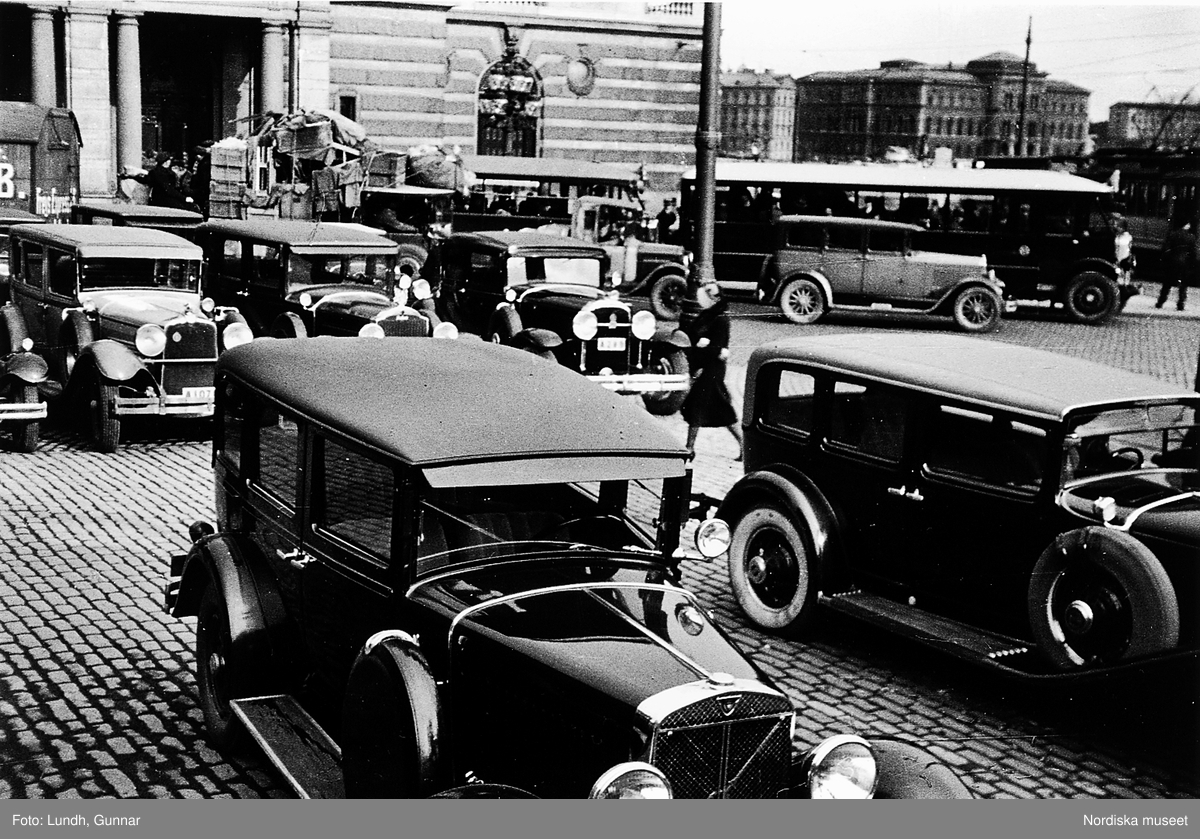
In this week’s post on the HEIRS blog, we look at Eva Dickson’s probate inventory and what it tells us about her life. Her case shows how different a person’s life can look when viewed through a probate inventory alone, and points to the gaps and silences such documents can contain.
-
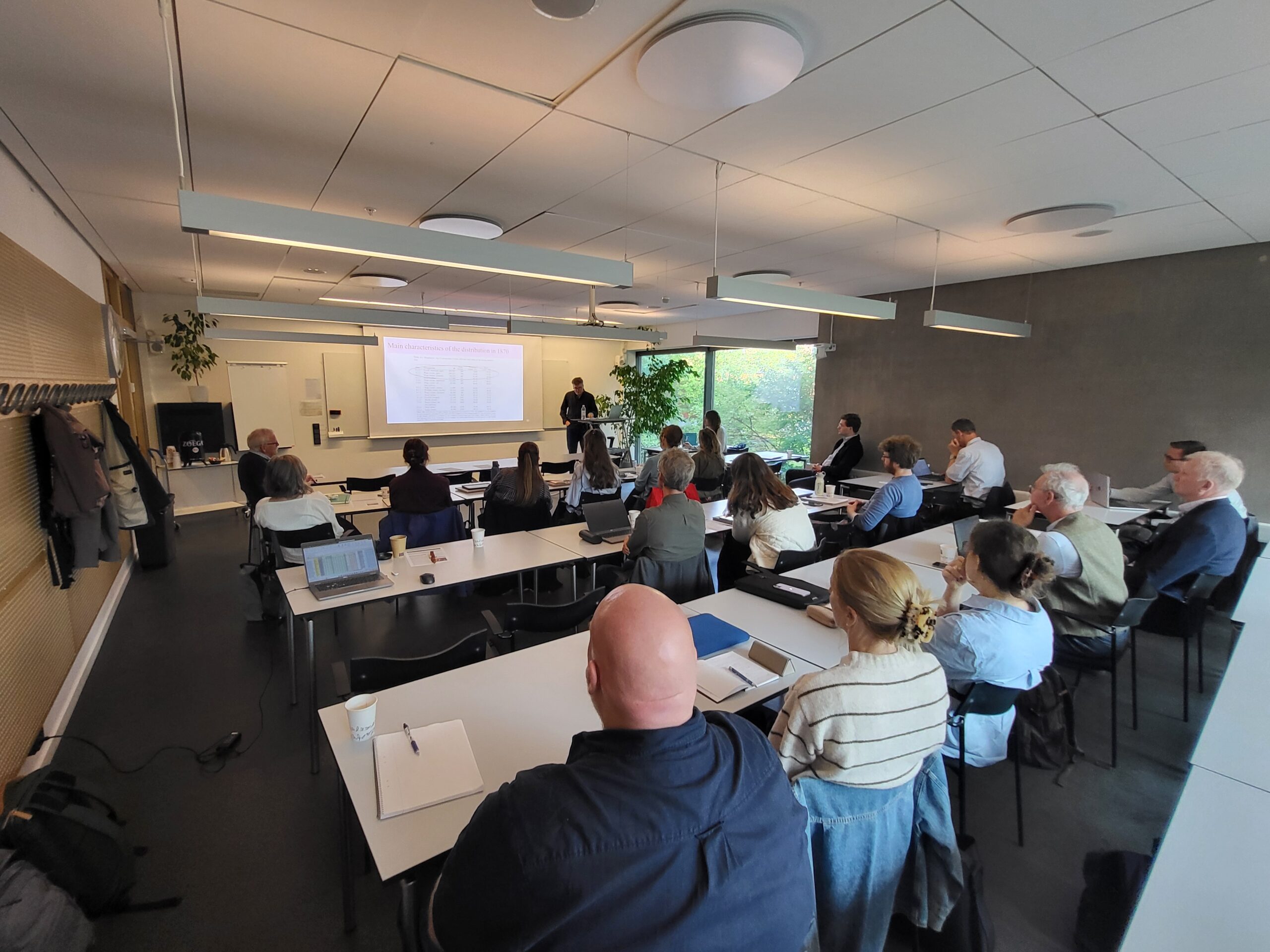
This week on the HEIRS blog, read about our latest in-person event, held at Lund University on 17 September 2026.
-
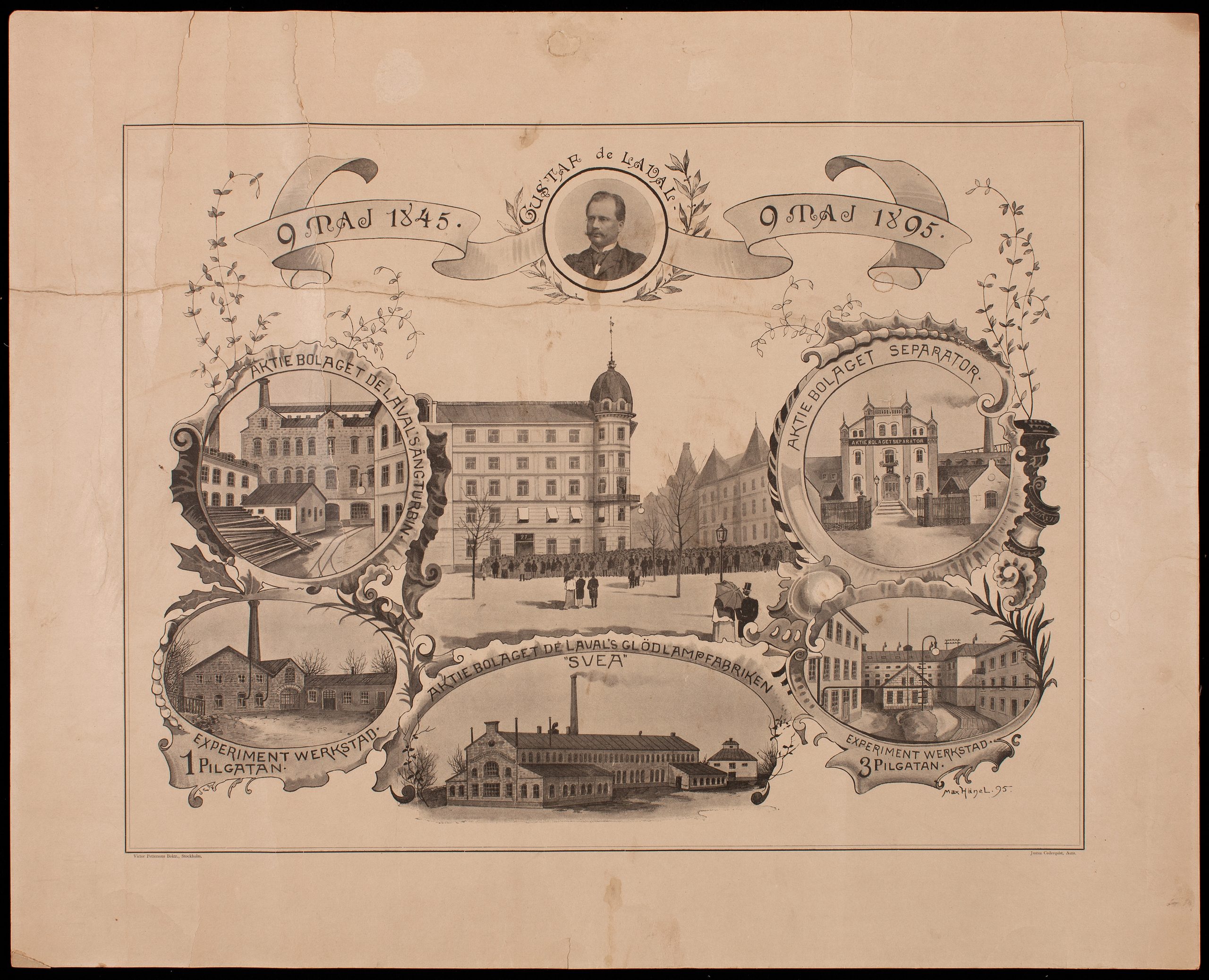
What connects milk and cream with one of Sweden’s best-known industrial engineering companies? This week’s post is about Gustaf de Laval, a man whose extraordinary propensity for invention was, unfortunately, not matched by an ability to manage his estate.
-
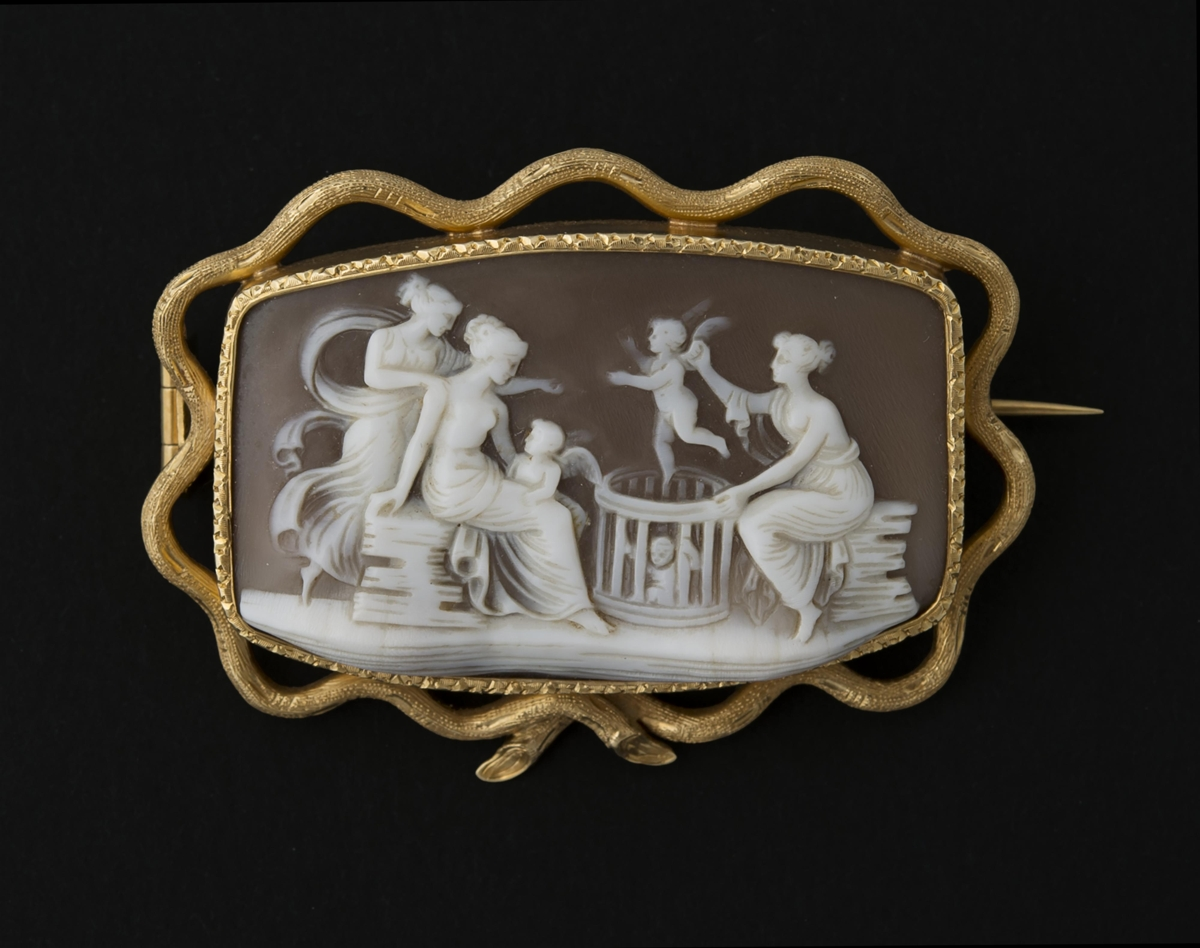
This week’s post looks at probate inventories from the 19th and 20th centuries. It explores jewellery not only as a marker of wealth and status, but also as objects tied to family and memory.
-
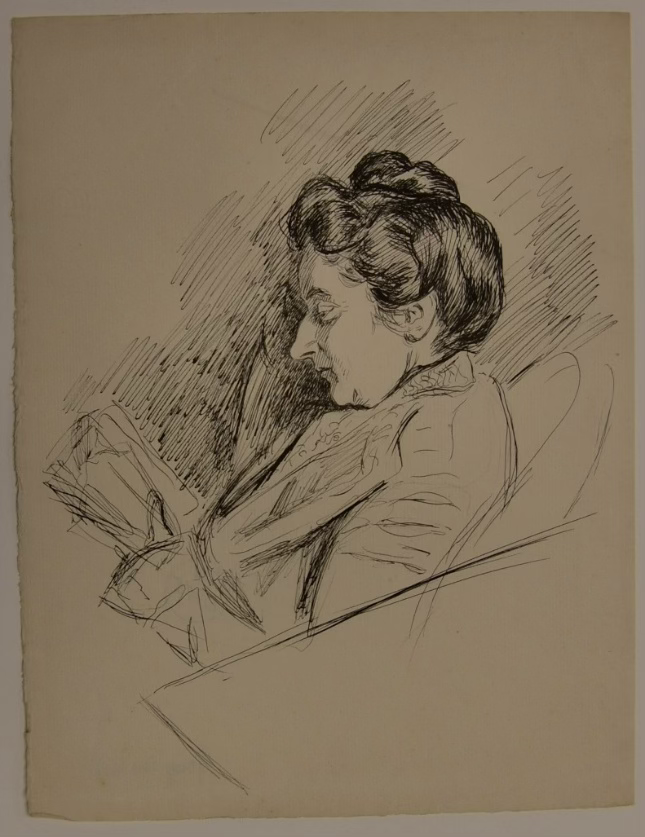
What can a person’s books tell us about their life? This week’s post explores what we can learn from the books found in probate inventories. By looking at the shelves of wealthy individuals in nineteenth-century Sweden, the post considers how books can reveal not only what people read, but what they thought was worth owning…
-
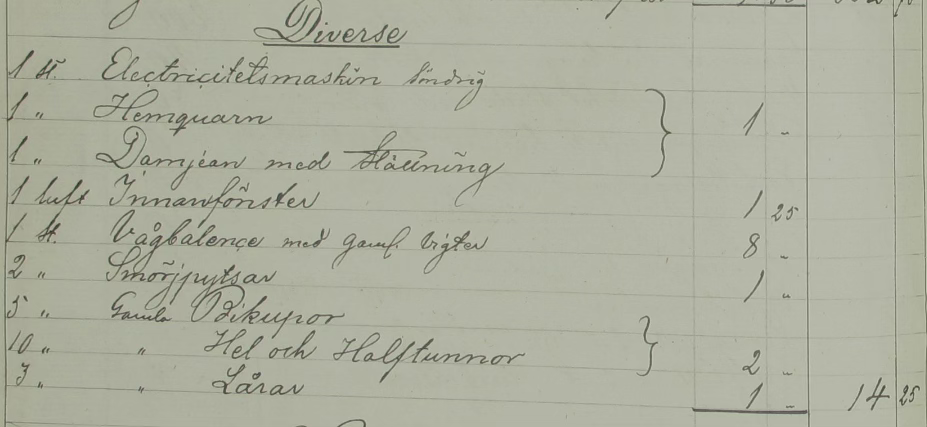
This week’s post deals with a curious object found in the probate inventory of a Swedish minister: an electricity machine. To what uses might such a machine have been put?
-
In this week’s post, we highlight some of the names found in Swedish 19th century probate inventories. Through names, we can study families’ aspirations and interests, all the while getting inspiration for what we might name our own descendants.
-
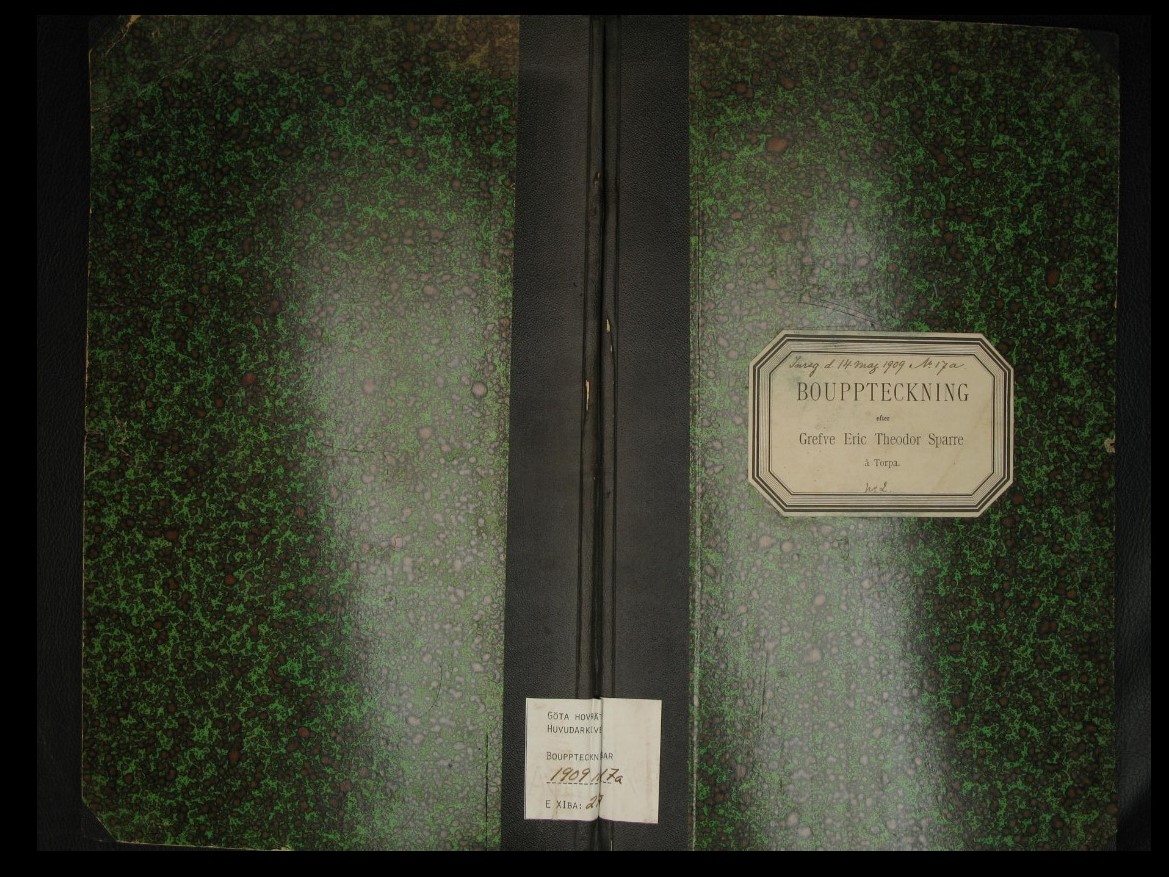
If you died in Sweden after 1734, someone would have to write down everything you owned: your furniture, your debts, your bank balance, even your books. Here’s what these lists can tell us. The detective’s ledger: what probate inventories tell us about ordinary livesImagine you die today. Then, imagine a stranger, three months from now,…
-
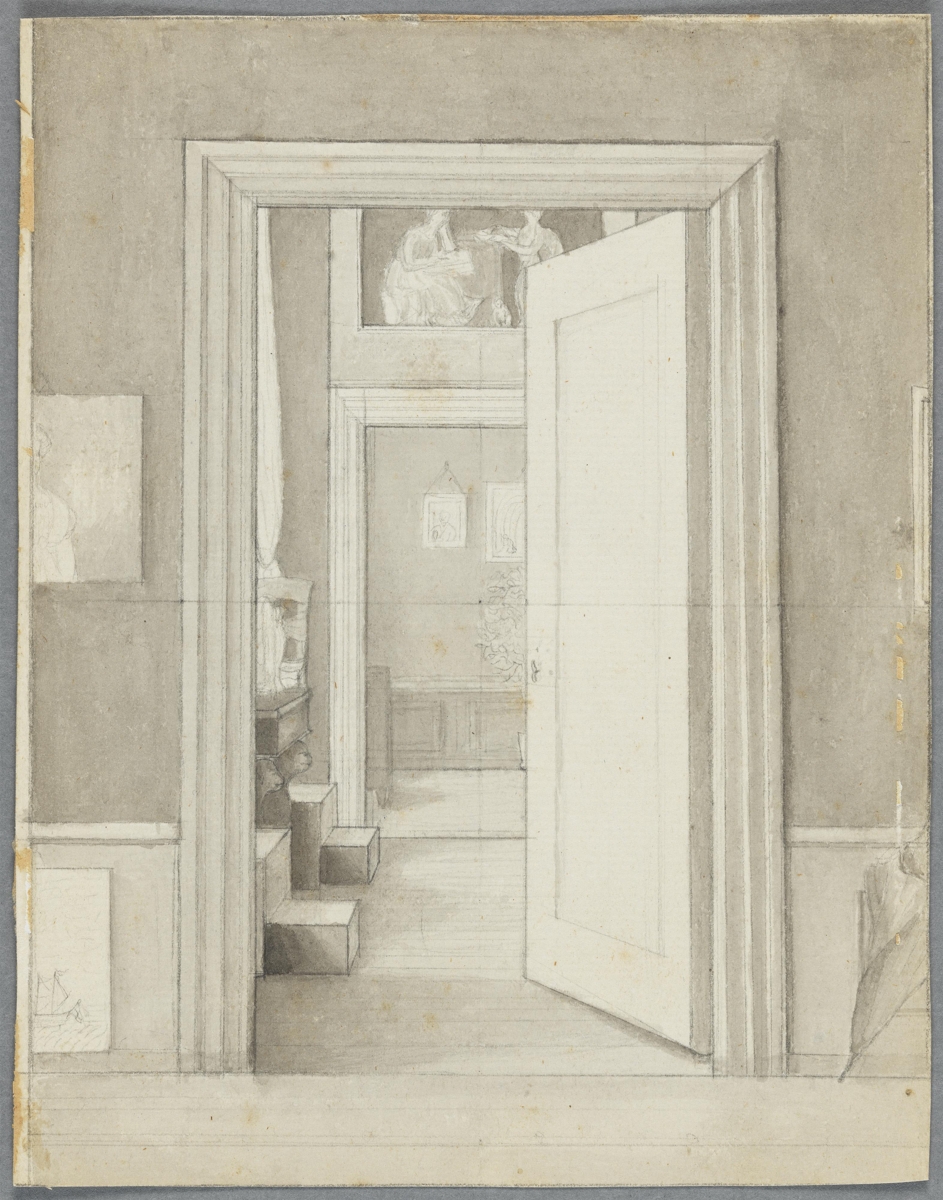
Probate inventories can offer unexpected insights into how people organised and used the space within their homes. One member of the wealthy Piper family maintained a ”Ghost Room” in his castle – but what was kept there, and how might the room have been used?
-
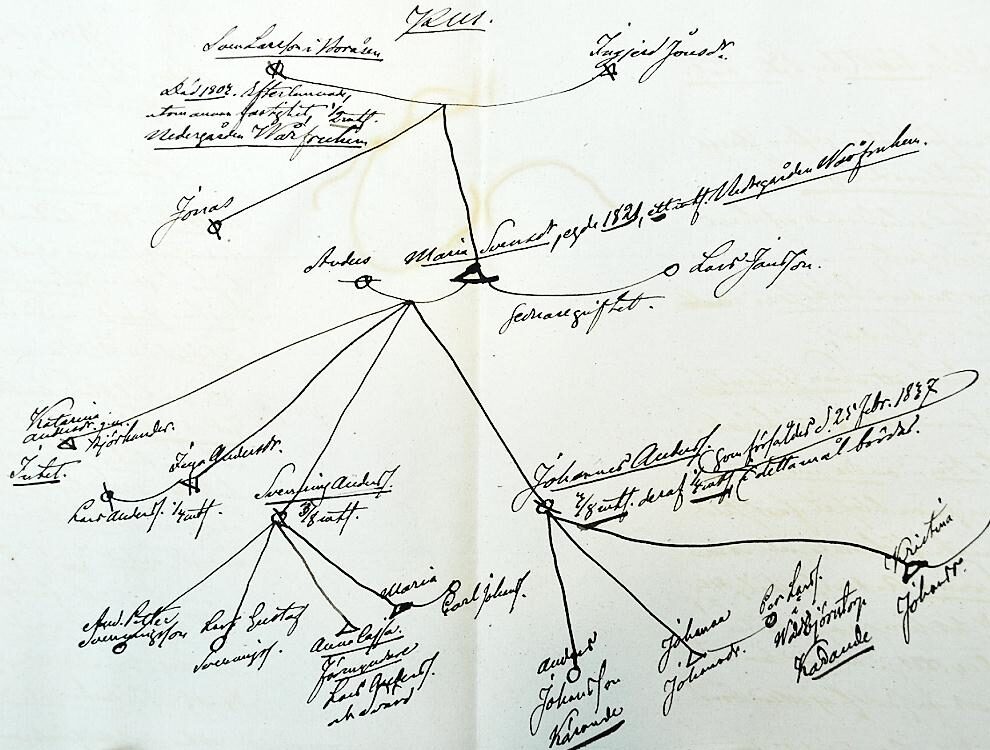
Inheritance is one of the most powerful mechanisms through which wealth and opportunities are transferred from one generation to the next. Yet despite its importance, inheritance has often been treated as a private family matter rather than as a major force shaping society. What can historians bring to these debates?