An individual’s library at the time of their death is not always easy to make sense of. It brings together genuine intellectual pursuits with gifts, fashionable purchases and status symbols, and inherited books. Just as we may ask people today whether they have actually read the books kept on their shelves, historians can usefully ask how much we can infer from looking at the titles in the library of a deceased. Still, probate inventories that list the books owned by an individual remain some of the most engaging clues to the inner worlds and worldly ambitions of historical people.
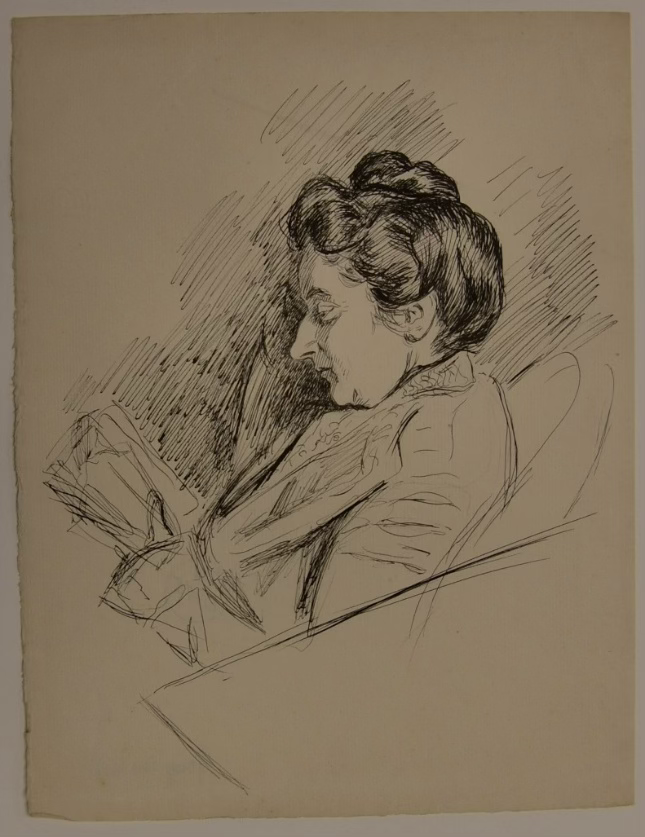
While many probates that we encounter in GLOW contain a slight list containing only the Bible and perhaps a book of psalms (and even more probates list no books at all, even for the wealthy), Fransiska Franzén’s shelves seem to have been filled to the brim. When she died in 1851, she owned more than 70 unnamed novels, as well as 27 booklets of Walter Scott’s novels in English, the Swedish poet Bellman’s writings, and histories of Napoleon and Karl XII. The probate also notes that she had bound copies of Aftonbladet and a map of Göta Kanal, a canal that had been built 20 years before. This was in addition to published sermons and poetry by her relative, the bishop Frans Michael Franzén, and lexicons from Swedish to English, French and German, and books on Swedish law. Taken together, this gives us some sense of the breadth of her interests, but also of the world she wanted to engage with: literature, history, law, current affairs, geography, and foreign languages. The books offer a glimpse not only of what she may have read, but of the cultural and intellectual horizons that were available to her.
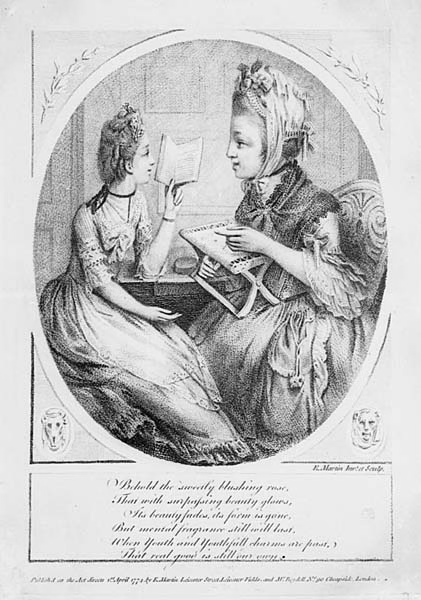
At his death, the merchant August Röhss owned 1161 copies of Pictures from Gothenburg in the 1820s (Tidsbilder från Göteborg på 1820-talet). Given his interest in his home region and his patronage of the humanities in Gothenburg, this is perhaps unsurprising. The books may have been intended for sale as some probates record merchandise as the deceased’s personal property.
Books can tell us not only about someone’s business pursuits, but also what they believed they needed to know to succeed. Otto Joakim Santesson, who was married to a member of the wealthy Bruzelius family, owned many books on financial and agrarian matters (advice for bad harvests, an economics handbook, alongside essays on agriculture and meadow irrigation) when he died in 1845, alongside works on domestic skills (”Advice for Women Feeding Families”) and making spirits at home. Although his library included more leisurely reading, such as Goethe, it was largely practical, suggesting that his books were closely tied to his and the wider family network’s work and ambitions.
In conclusion, individuals’ libraries can hint meaningfully at someone’s horizons: the worlds they were interested in, the knowledge they valued, and the possibilities they imagined for themselves. Libraries can’t tell us exactly what someone read or believed, but they can offer a glimpse of the intellectual and cultural world that they thought of as meaningful.