From time to time, working on the GLOW project means we come across probate inventories pertaining to celebrities of the past. One such person is Eva Dickson (1905-1938), rally driver, aviator, and the first woman to drive through the Sahara dessert. Her memoir, En Eva i Sahara, came out in 1933 and she was a familiar presence in the Swedish press throughout the 1930s. High-profile cases like Dickson’s allow us to see the gap between the life suggested by a probate inventory and the life a person actually lived – a gap that is important to keep in mind when studying non-elites as well.
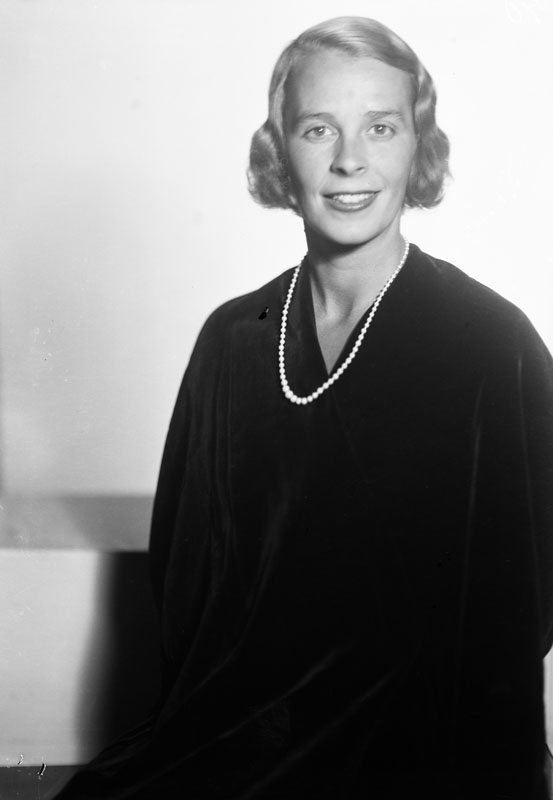
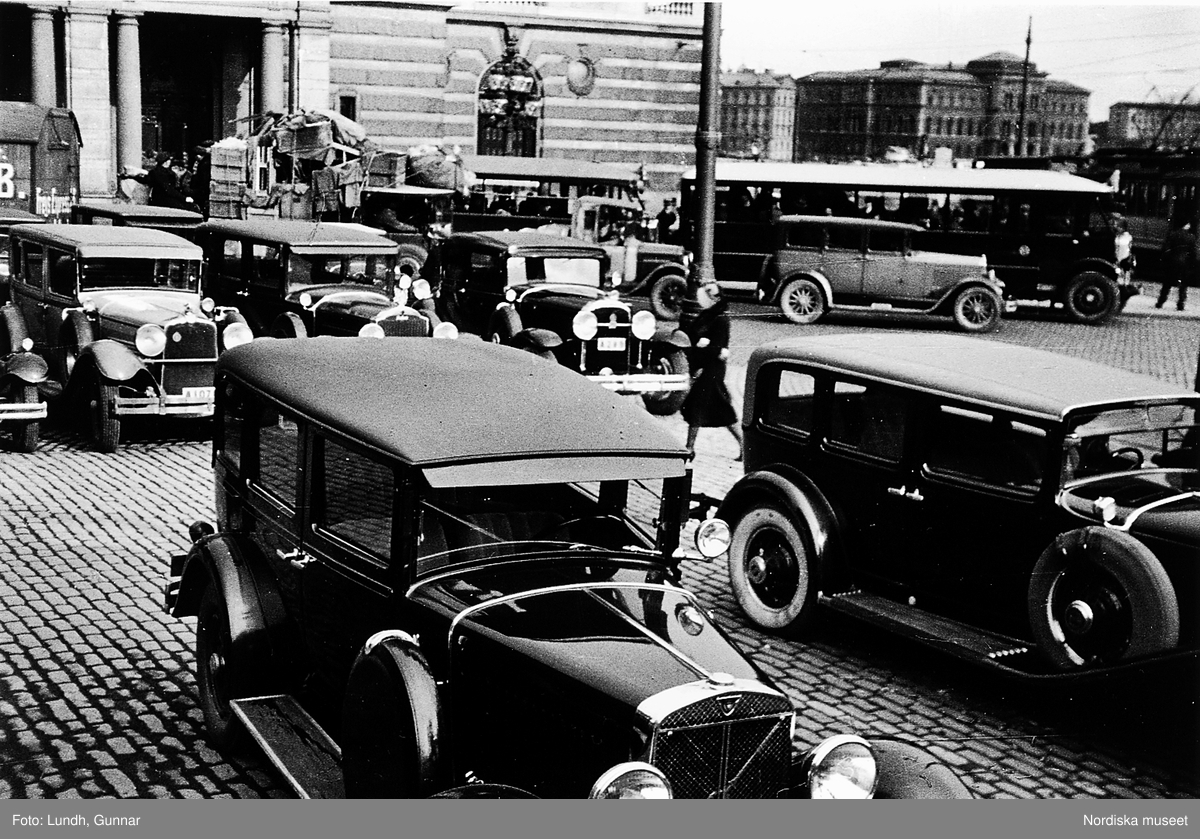
In the early twentieth century, a few people owned cars that were recorded in their probate inventories. Many did not. Ironically, Dickson’s probate inventory makes no mention of cars, although her life was in many ways defined by a need for speed. When we have the opportunity to examine a legal document alongside the biography of the person whose life it describes, we can begin to understand the gaps and silences contained within the document.
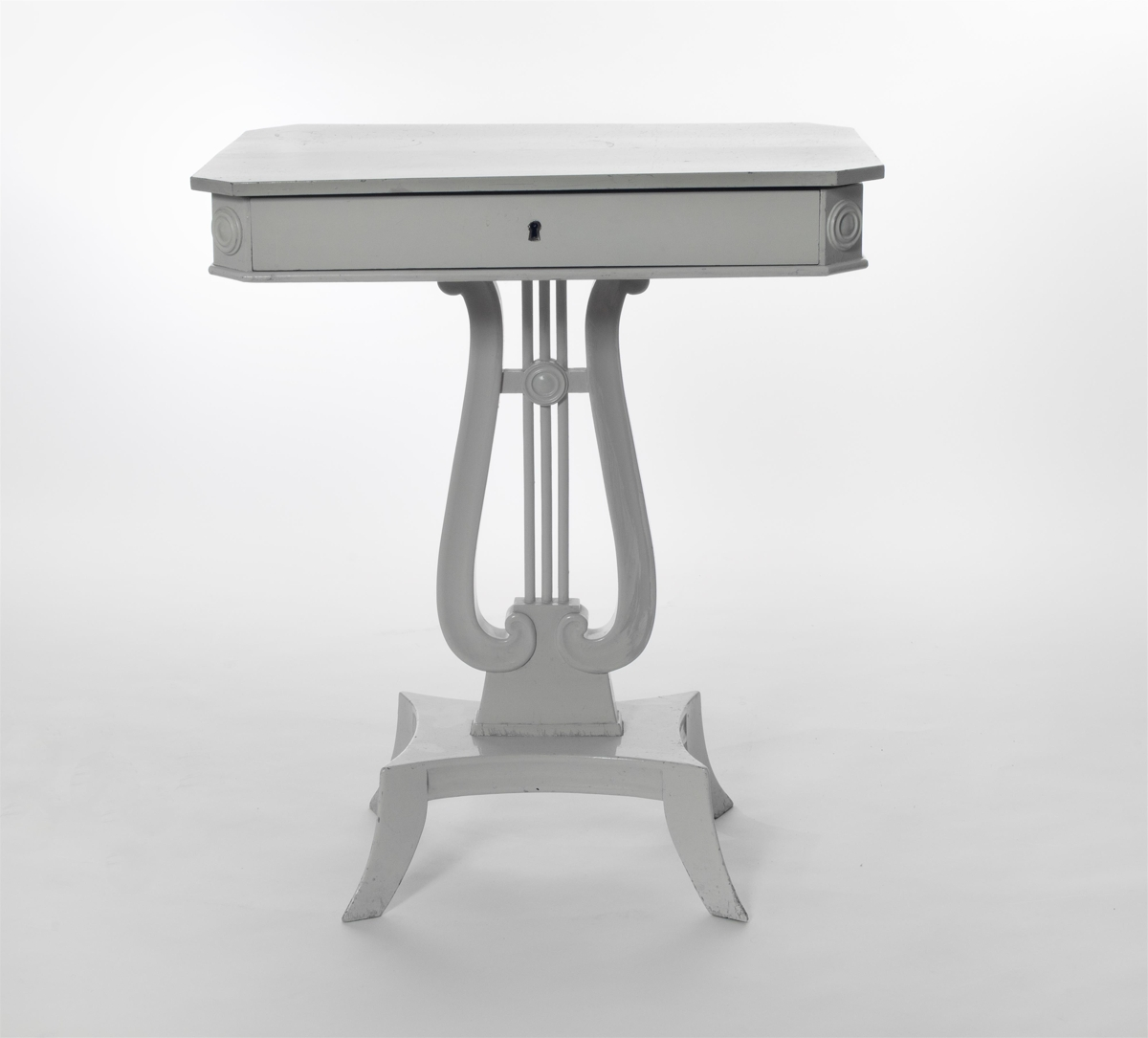
How would we have interpreted Dickson’s probate if this document had been the only surviving evidence of her life? Her individually owned possessions can be summed up as a set of furniture enabling high-society get-togethers and quiet pursuits: a gilded armchair, an Empire desk, a white-and-green couch and a set of matching chairs, a sewing table, a cupboard, and another set of chairs. She owned more things alongside her first husband, whom she had divorced in 1932, but the objects listed above were her separate property at the time of her death in 1938. These items reflect her elite background and marriages into the financial and aristocratic elite: she first married into the wealthy Dickson family and subsequently went on to marry a man from the von Blixen-Finecke family. Her natal relatives were members of the elite too; Dickson was born at Steninge Castle, and her father was a landowner, horse breeder, and director-general. Viewed on its own, the probate tells us little about the adventurous and highly public life that Dickson was known for.
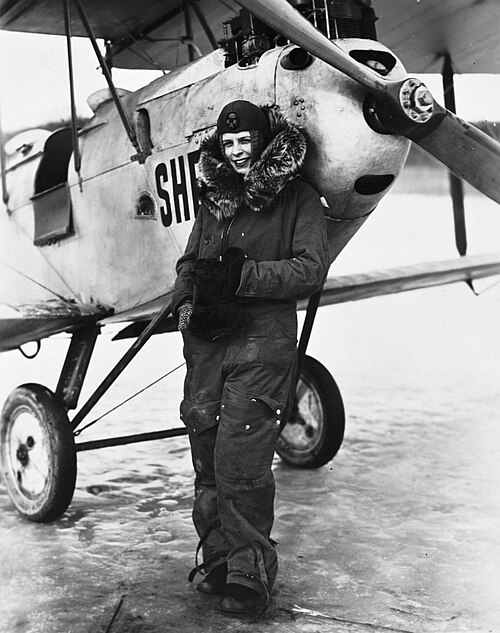
Had it not been for her celebrity status, Dickson would have come across from her probate inventory as a quiet high-society woman. The only clue that much of her life was lived elsewhere, at a different pace, is that, compared to other women of her social station, her probate inventory is fairly empty; where are the endless lists of kitchen utensils, household linens, and other everyday domestic objects? As it is, we do have a good understanding of what her life was like because she was privileged enough to write about it – and to have others write about her too. It is through these writings, and the many photographs that survive, that we get a flavour of how she was understood by her contemporaries: as an adventuress.
Her example allows us to consider the gaps in the probates of the less privileged too; if even the probate of a well-documented celebrity can obscure so much about the life she actually lived, what might be missing from the probates of those whose lives were not recorded in the same way?