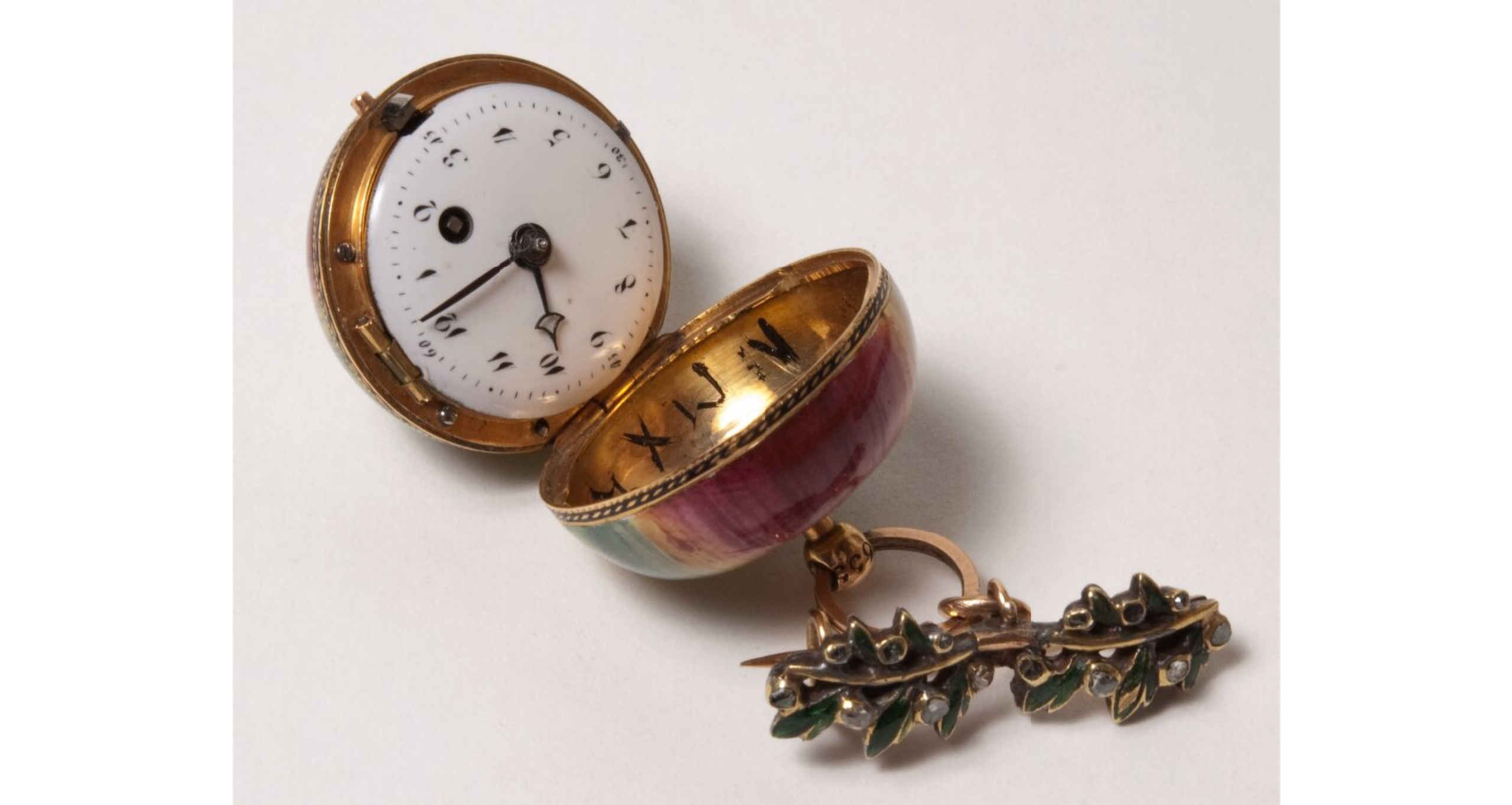
Pearls, diamond rings, gold watches and brooches. While worn by their owners, such objects were the fashionable glitter of the elite. Once we find them in probate inventories and final wills and testaments, they are no longer simply decorative, but used to build bridges between generations. Such pieces could carry family memory, affection, status, and identity. By specifying who should receive it in a will, the testator could shape how they would be remembered after death.
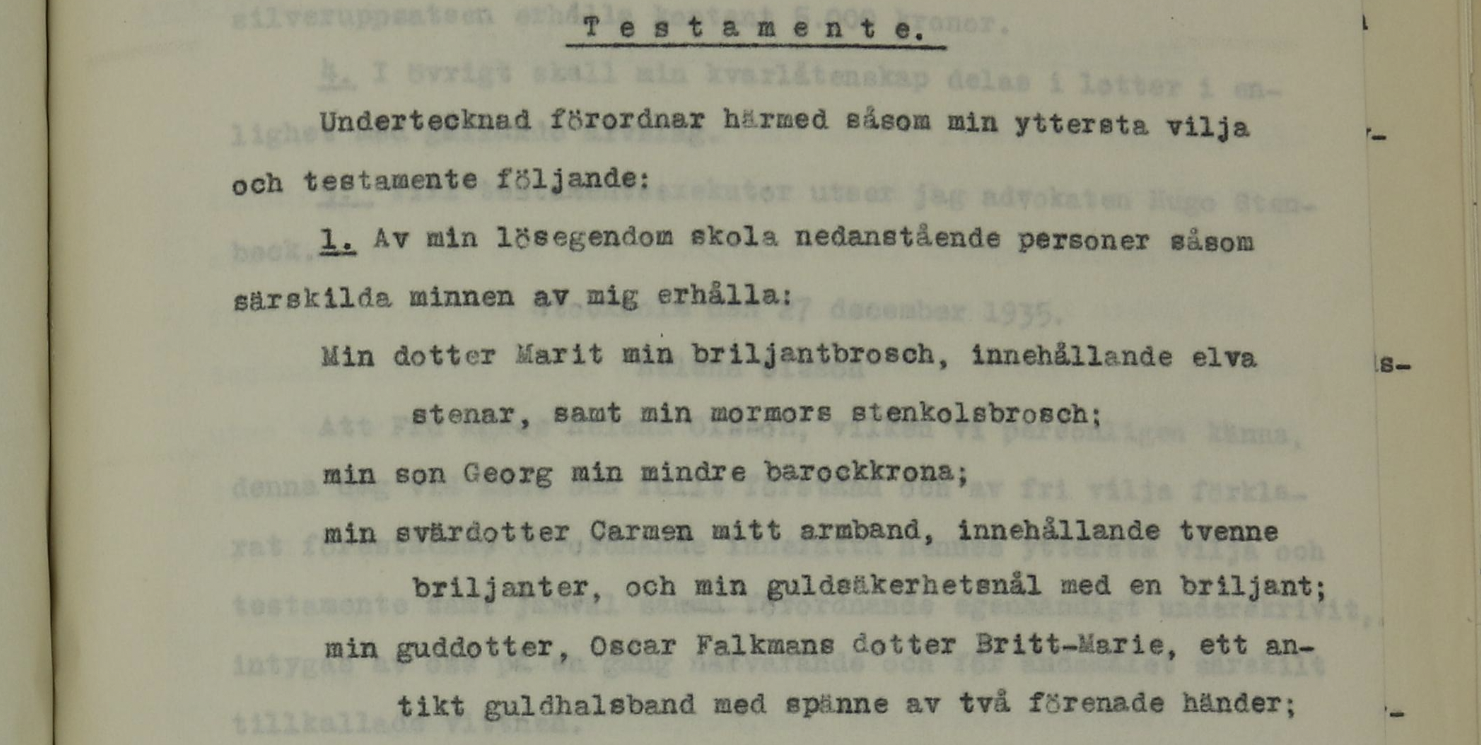
The wealthy Helena Olsson (d. 1939) began her will with an extensive list of bequests to her female relatives. Among her movable possessions, she specified that these items were to be given “as special memories of me” (“såsom särskilda minnen av mig”). Her bequests included a diamond brooch, “my grandmother’s jet brooch,” a diamond bracelet, and a gold necklace with a clasp in the form of two clasped hands. Particularly the grandmother’s jet brooch shows how the value of jewellery could lie not only in its material worth but in how it embodied a connection with an earlier generation.
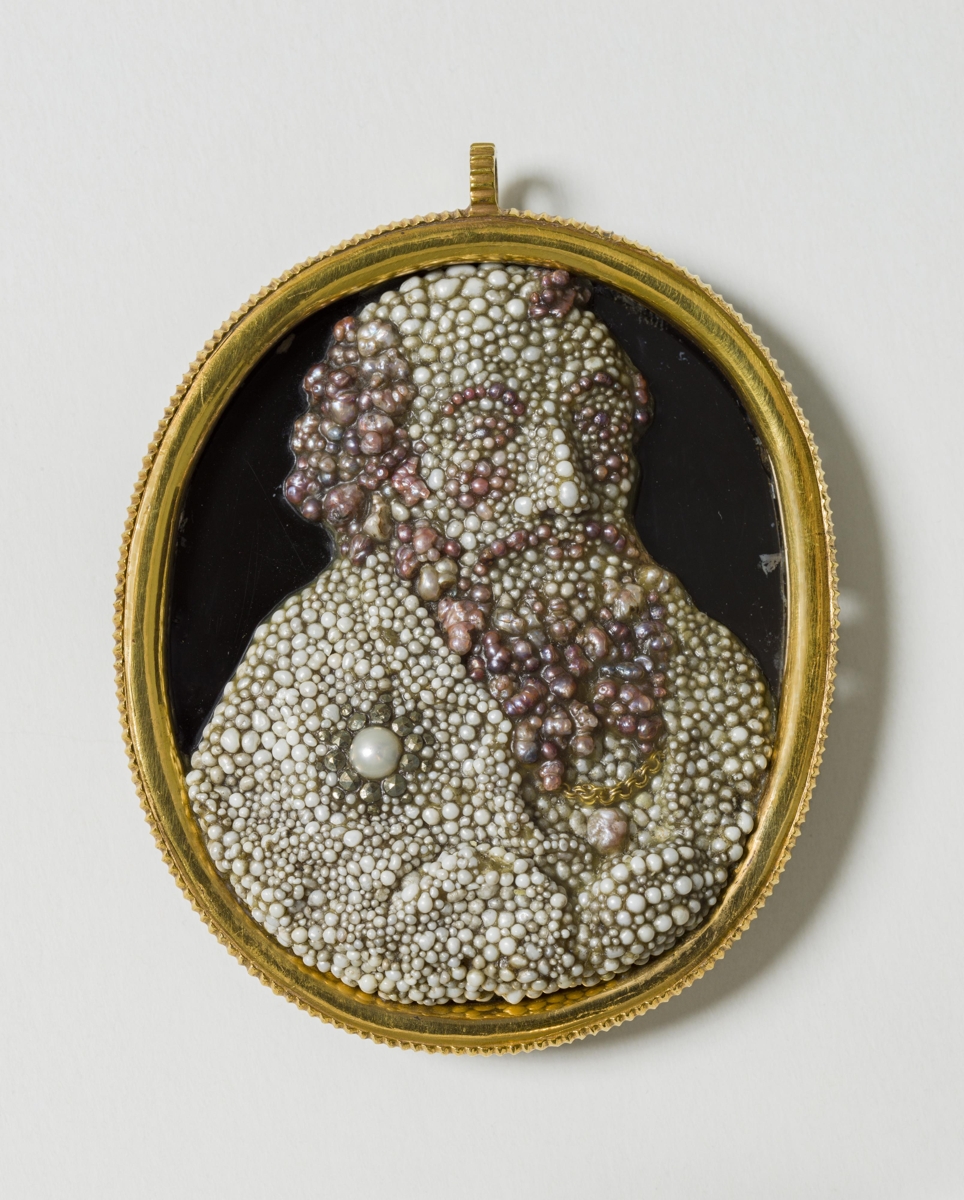
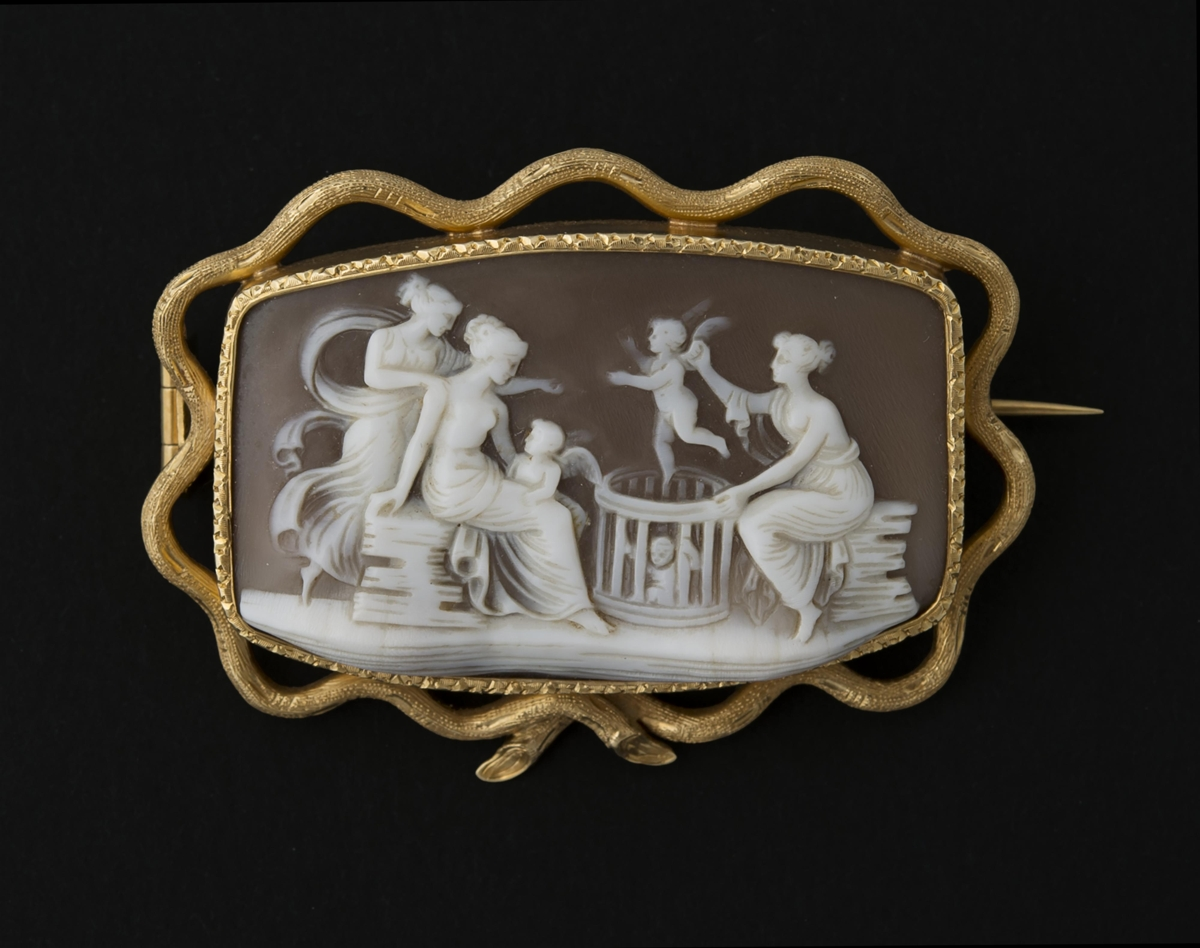
Some probate inventories remind us that jewellery could age with its owner. Hugo Setterwall’s 1939 probate notes that one piece is “old cut, somewhat yellow”, while Jacobina Ehrenswärd’s 1895 probate mentions a broken cameo brooch (the kind of piece featuring a raised, carved image, see example below). Such details show a more everyday picture of jewellery; even cherished and valuable pieces could become worn, outdated, or damaged over time.
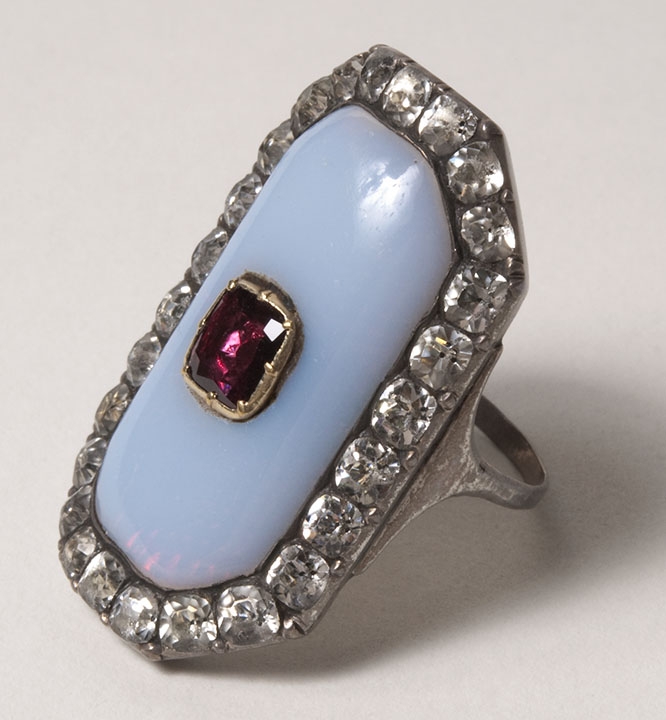
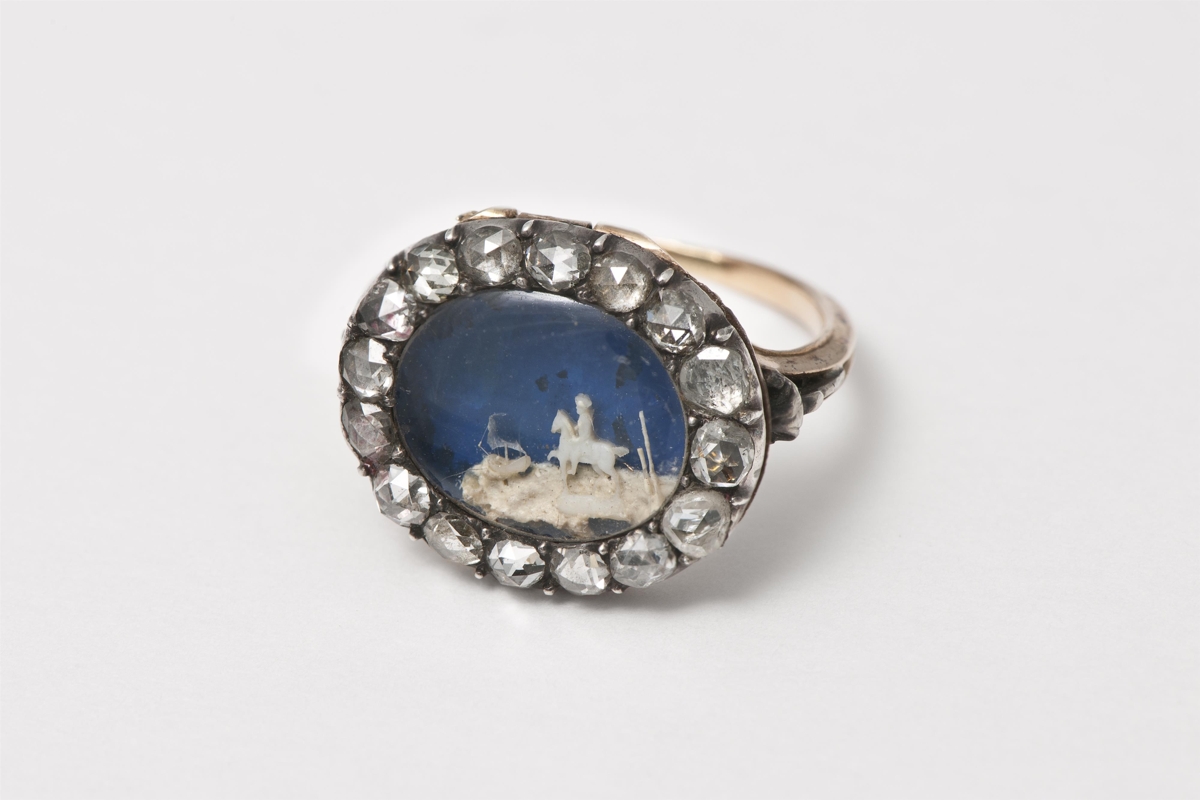
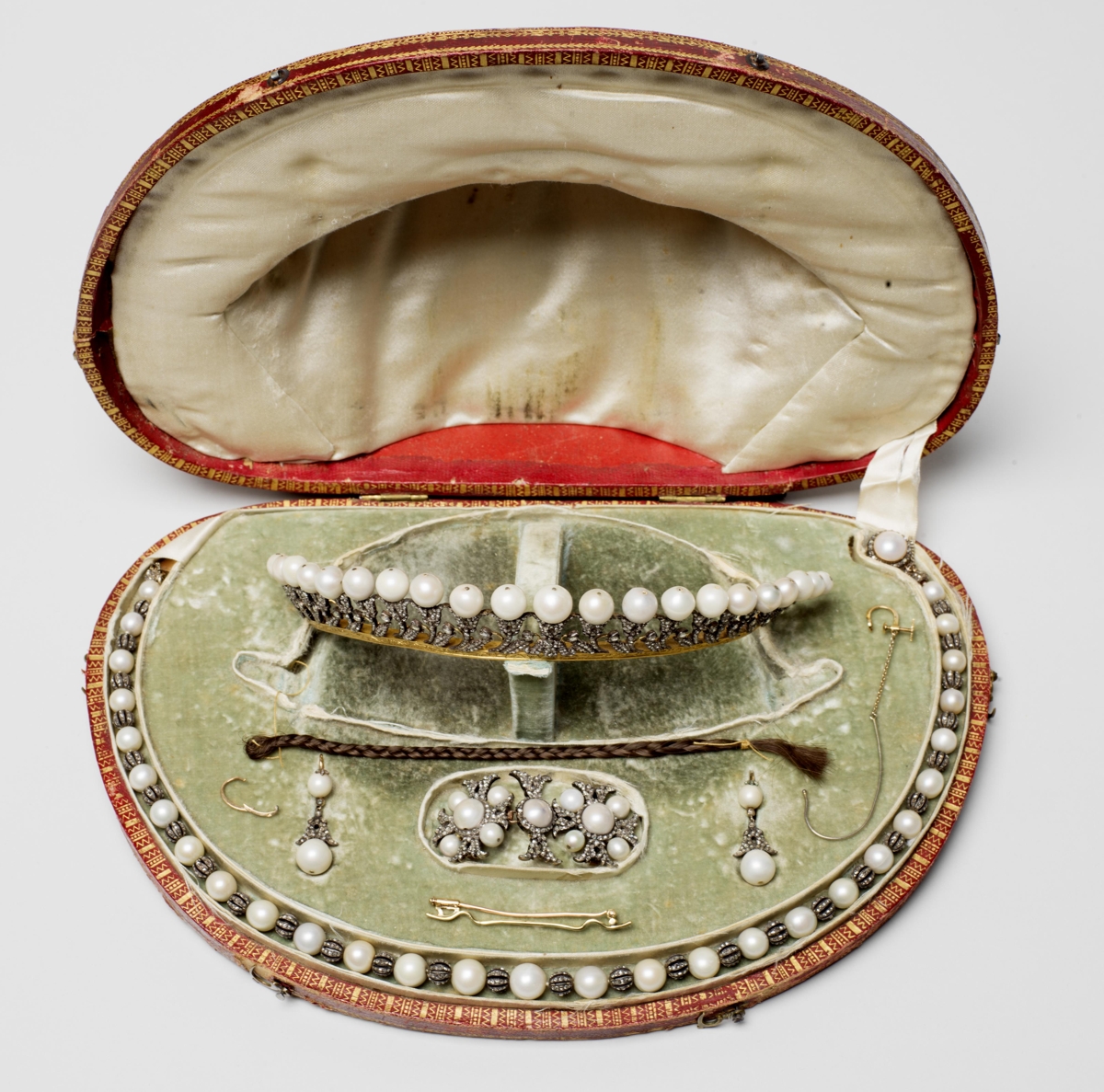
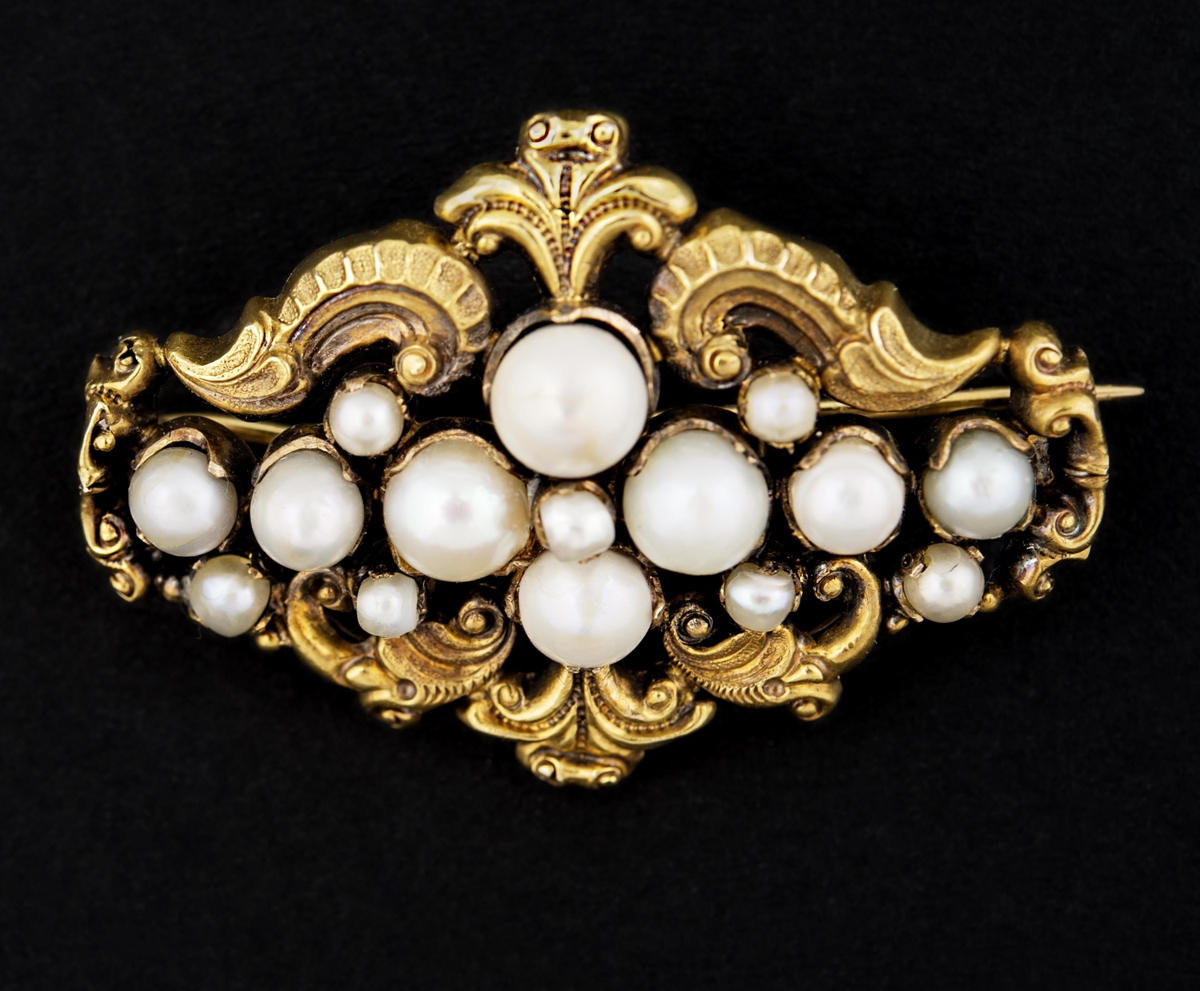
Common types of jewellery in the probates that we work with in GLOW are collier necklaces, gold watches, tiaras, brooches, pearl jewellery, and rings. Objects of this kind can suggest how wealth, fashion, and personal relationships could come together in legal documents. The probate inventories also show that these meanings could change over time. A piece might begin as an object of luxury and fashion, go on to become a beloved family keepsake, and eventually appear in the documents as an old or dated object. In celebration of the beauty and elegance described in some probate inventories, we include some more images below of jewellery from the Nationalmuseum’s collections – perhaps some such objects could find their way back into our sense of fashion?