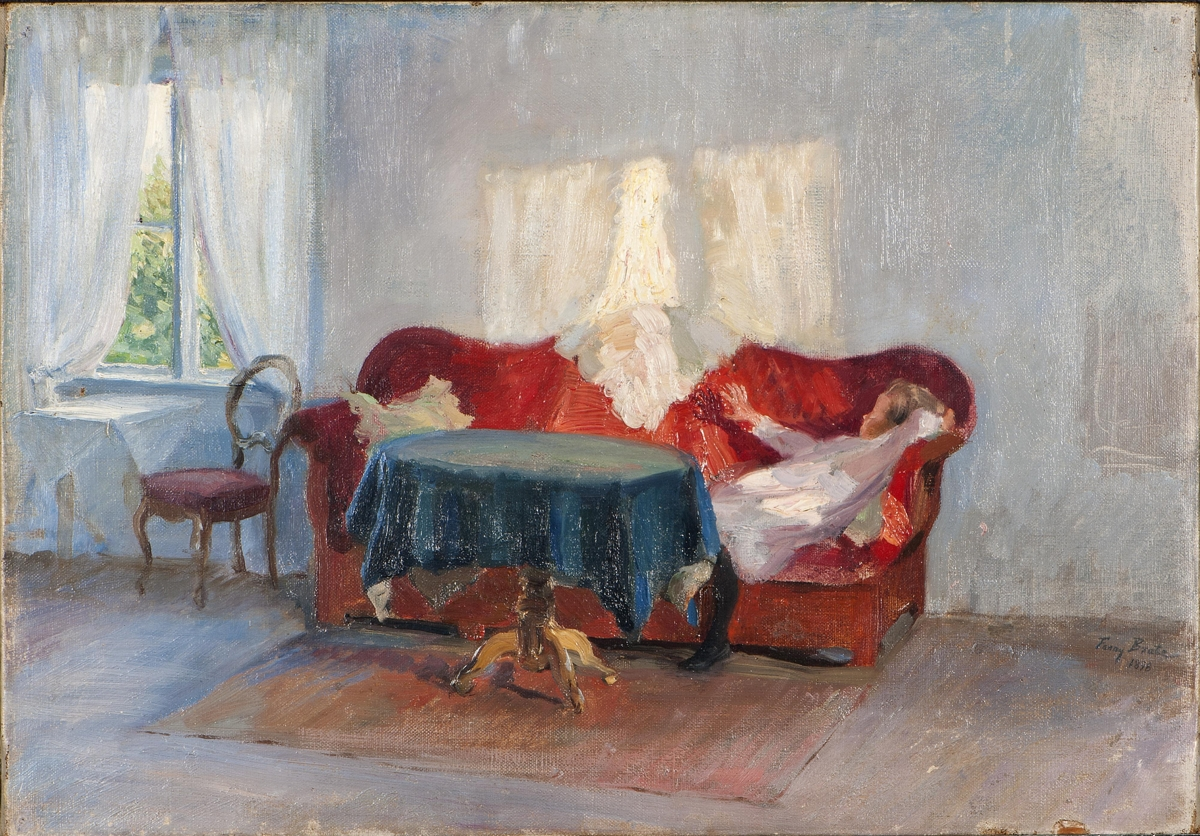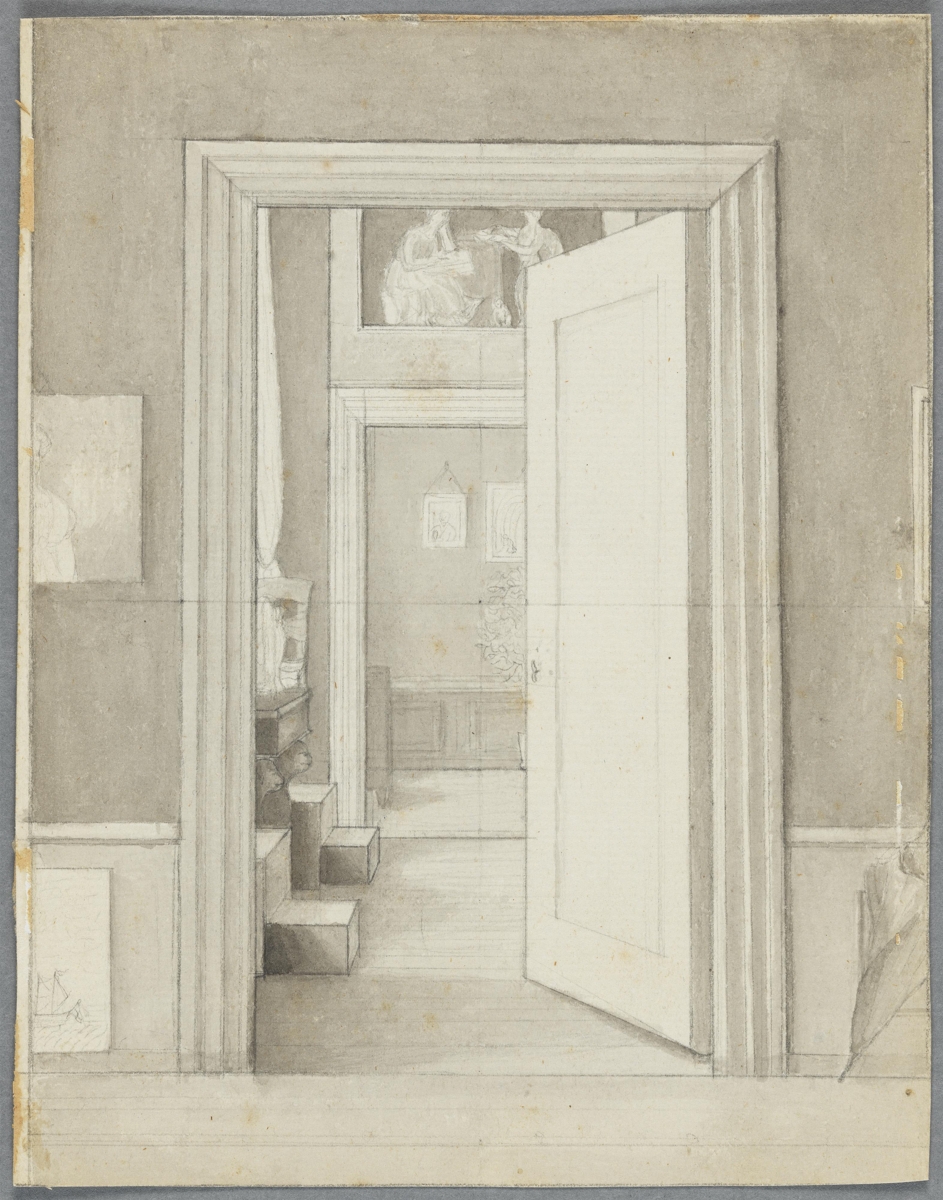
When Eric von Haffner-Piper died in 1923, his lodgings in Högestad Castle comprised over 50 rooms. Like many wealthy people, he enjoyed the privilege of having almost unlimited access to space. He had a Telephone Room, Writing Room, Smoking Room, Music Room (adorned with alabaster artefacts and no less than 22 ornaments on the mantelpiece) and a second bedroom in which he kept his footbath.
Eric was not the only member of the elite able to dedicate entire rooms to niche hobbies and luxurious pursuits. Carl Theodor Ernst von Platen, for instance, kept a room entirely for flowers, adjacent to the gardener’s room. Endless probates record rooms categorised not by what went on in the room, but according to colour; referring to the red room, blue room, yellow room is common in probates dealing with large households.
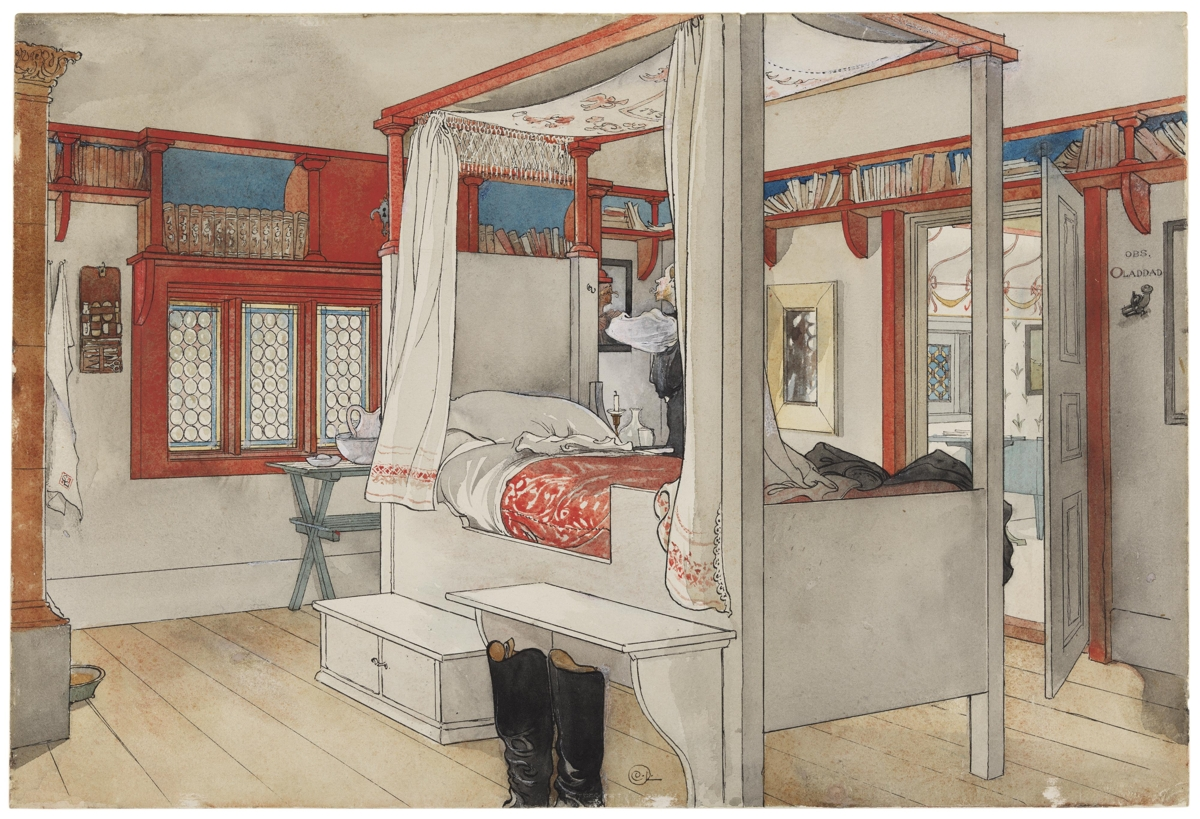
What sets Eric Piper apart is his Ghost Room. Here, he kept cushions, blankets, mats and chairs, as well as two coats, a brass rod and something referred to as a “ball thrower” (bollkastare).
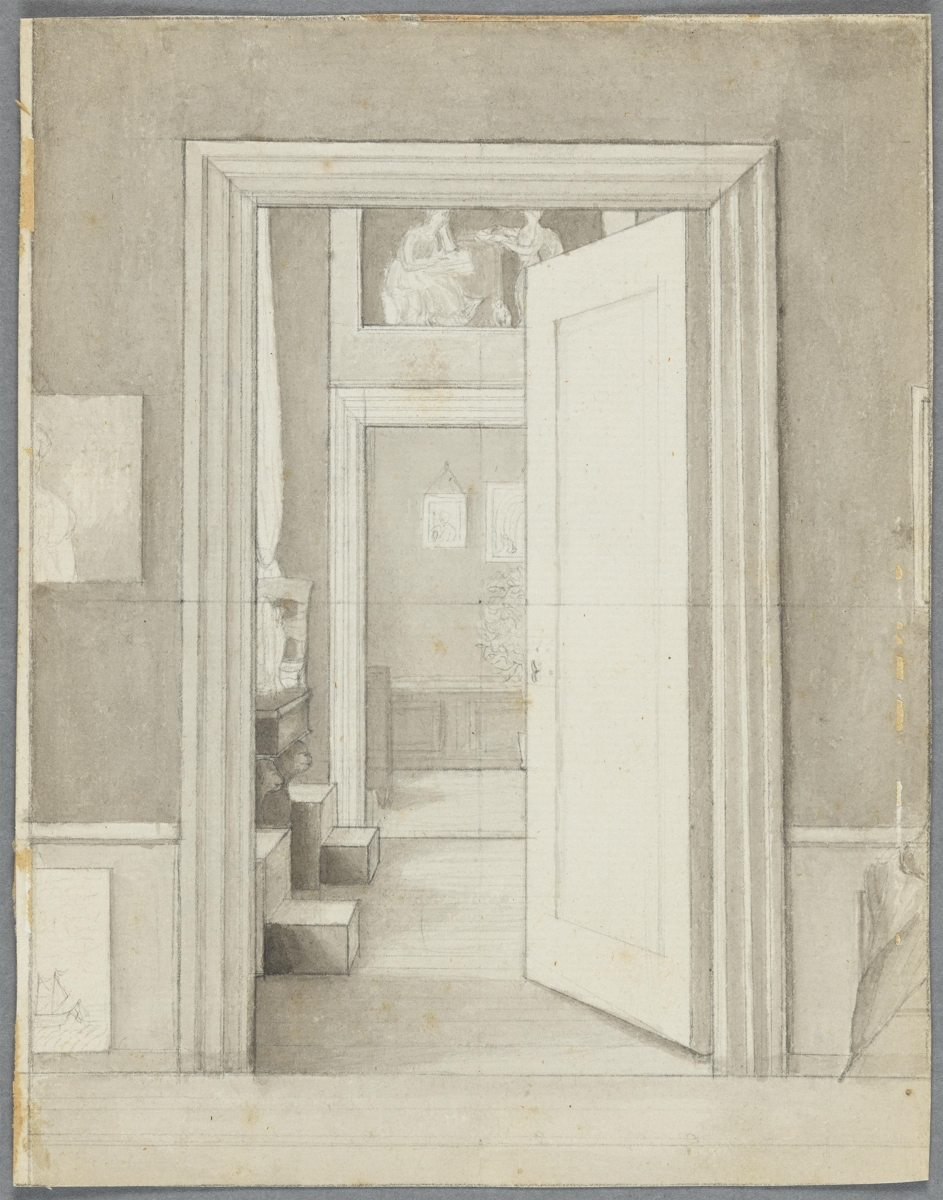
The idea of the Ghost Room is an intriguing one. Who spent time in it, and what games or activities took place there? One of the frustrating things of working with historical sources like probate inventories is that they offer no obvious explanation for why people owned certain objects or what they chose to do with them.
What seems certain is that the Ghost Room was a space for play and light-heartedness. A wealthy man, Eric Piper had the resources to designate entire rooms for leisure, a far cry from those of us who – at least at certain times – must try to fit food, rest, play, and any other activity into a one bedroom flat. Come to think of it, some of us probably don’t play at all. Perhaps if we had the luxury of access to unrestricted space, we would invent new ways of spending our spare time – perhaps we would even create ghost rooms of our own.